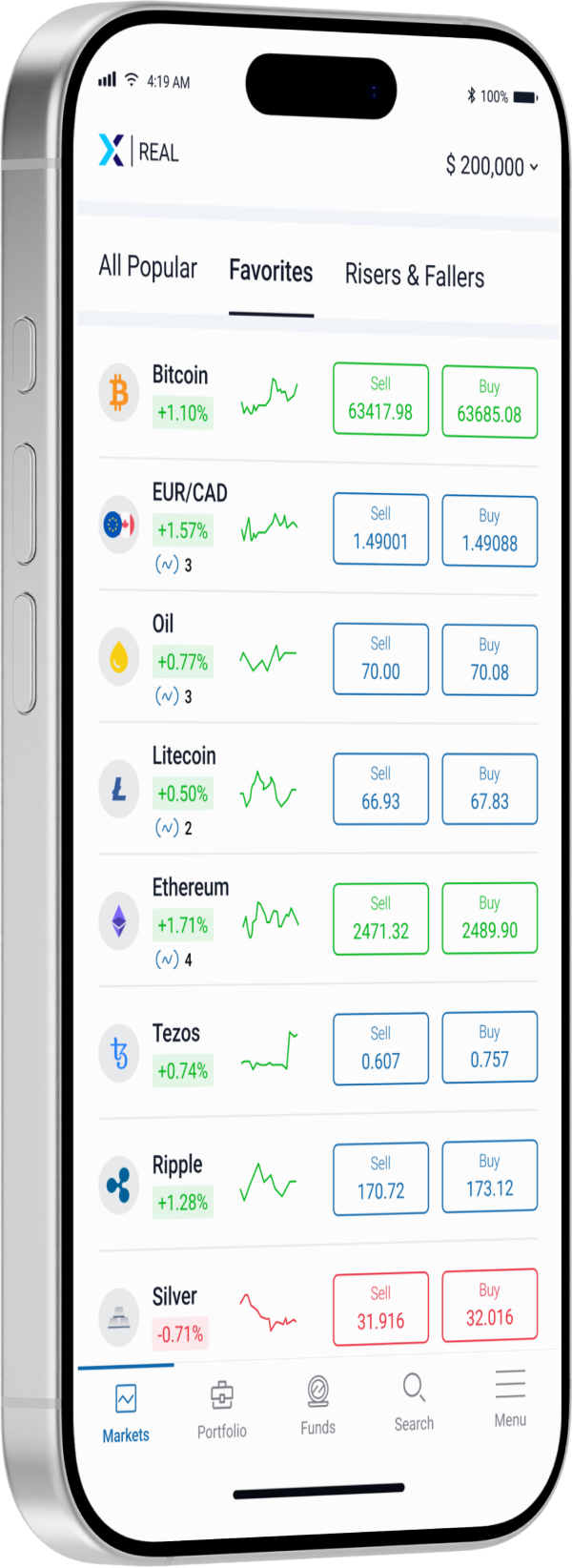
Online trading has reshaped access to global financial markets in ways that would have been difficult to imagine just a few decades ago. Markets that were once the exclusive domain of banks, hedge funds, and institutional desks are now accessible to individuals across the world through advanced digital platforms. With a single account, traders can monitor currencies, stock indices, commodities, shares, and other financial instruments in real time, responding instantly to developments that unfold across continents.
This unprecedented access, however, does not automatically translate into understanding. While technology has lowered barriers to entry, it has not reduced the complexity of the markets themselves. Prices continue to be driven by economic forces, corporate performance, political developments, investor psychology, and global capital flows. For those new to trading, the challenge lies not in finding opportunities, but in learning how to interpret market information, manage risk, and approach trading with discipline and structure.
This article is designed as a foundational guide for those beginning their journey into online trading. Rather than focusing on short-term outcomes or market predictions, it explores how global markets function, what it means to participate in them as a trader, and how modern trading platforms help individuals engage with these markets in an informed and responsible way. Understanding these fundamentals is an essential first step toward navigating the global markets with clarity and confidence.
Understanding What Online Trading Really Means
At its core, online trading involves taking positions in financial markets through a digital platform, with the objective of benefiting from price movements. These movements may occur over minutes, hours, days, or longer periods, depending on a trader’s approach and strategy. Unlike traditional investing, which often focuses on long-term ownership of assets, trading is typically centered on price dynamics and market behavior.
When a trader opens a position, they are expressing a view on the future direction of a market. This view might be based on economic data, company news, technical patterns, or broader market sentiment. The trader does not need to physically own the underlying asset; instead, they gain exposure to its price movement through financial instruments that reflect changes in value.
What distinguishes online trading from older forms of market participation is the immediacy of information and execution. Prices update continuously, orders can be placed within seconds, and positions can be monitored in real time. While this creates flexibility and responsiveness, it also demands a higher level of engagement and understanding from the trader.
The Structure of the Global Financial Markets
The global financial markets are not a single, unified entity. They are a network of interconnected markets operating across different regions, time zones, and regulatory environments. Together, they form a continuous cycle of activity that spans nearly 24 hours a day during the trading week.
Among the most prominent markets are the foreign exchange market, equity markets, commodity markets, and derivatives markets. Each has its own characteristics, participants, and drivers. Currency markets are influenced heavily by interest rates, economic growth, and monetary policy. Equity markets respond to corporate earnings, innovation, and broader economic conditions. Commodities are shaped by supply and demand dynamics, geopolitical developments, and environmental factors.
These markets do not operate in isolation. A change in interest rate expectations in one major economy can influence currency valuations, stock indices, and commodity prices simultaneously. Similarly, geopolitical events or shifts in investor sentiment can ripple across asset classes, creating periods of heightened volatility or rapid price adjustment.
For traders, understanding this interconnectedness is crucial. Even when focusing on a single instrument, it is important to recognize the broader context in which price movements occur.
How Trades Are Executed in the Modern Trading Environment
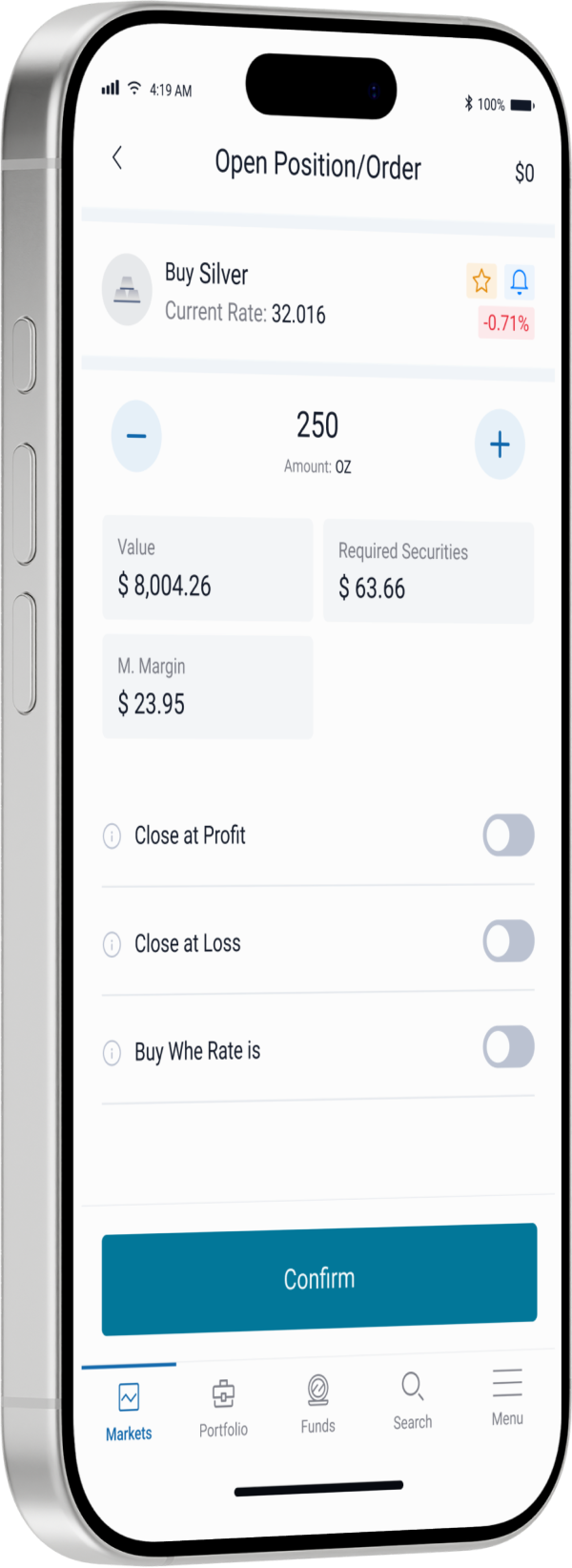
When a trade is placed through an online platform, several processes occur almost instantaneously. The platform displays live prices sourced from the market, allows the trader to select position size and order type, and executes the trade once the order conditions are met. Behind the scenes, technology ensures that pricing, execution, and account balances are updated accurately and efficiently.
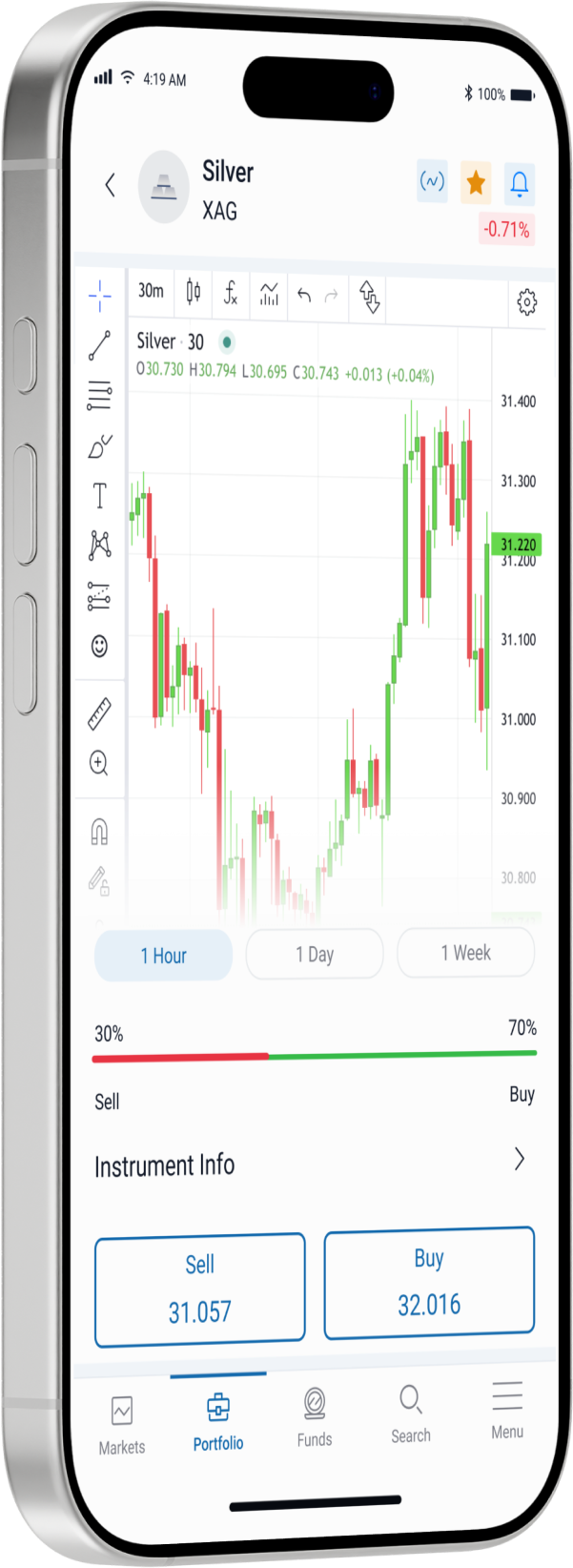
Modern trading platforms are designed to consolidate multiple functions into a single interface. Traders can analyze charts, follow news, manage open positions, and review account performance without switching tools. This integration is a defining feature of contemporary online trading and has significantly changed how individuals interact with markets.
However, the speed and convenience of execution do not remove the need for careful decision-making. Each trade carries risk, and every position reflects a deliberate choice. The platform provides access and tools, but responsibility remains with the trader.
The Role of Analysis in Trading Decisions
Market analysis plays a central role in online trading. While approaches vary, most traders rely on a combination of analytical frameworks to interpret price behavior and market conditions.
Technical analysis focuses on price patterns, trends, and historical data. It seeks to identify recurring behaviors and potential turning points based on how markets have behaved in the past. Fundamental analysis, by contrast, examines economic indicators, corporate performance, and macroeconomic trends to assess underlying value and market direction.
Neither approach operates in isolation. Many traders blend elements of both, using economic data to understand the broader environment and technical tools to refine timing and execution. Over time, traders often develop a preferred analytical style that aligns with their objectives, time horizon, and risk tolerance.
What matters most is not the specific method chosen, but the consistency and discipline with which it is applied.
Risk, Responsibility, and Capital Management
One of the most important concepts for new traders to understand is that trading is inseparable from risk. Market prices can move unpredictably, influenced by events that are difficult to anticipate or quantify. Successful participation in the markets therefore depends not on eliminating risk, but on managing it thoughtfully.
Risk management begins with understanding position size and exposure. It extends to the use of protective tools such as stop-loss orders, as well as ongoing monitoring of open positions. Equally important is emotional discipline — the ability to remain objective during periods of volatility and to avoid impulsive decisions driven by fear or overconfidence.
Capital management is closely linked to risk control. Traders who allocate their resources carefully and avoid excessive exposure are better positioned to navigate market fluctuations over time. This approach emphasizes sustainability rather than short-term outcomes.
Technology as an Enabler, Not a Shortcut
Advanced trading platforms have made market participation more accessible than ever, but they are not substitutes for knowledge or experience. Charting tools, indicators, alerts, and analytics are powerful resources, yet their effectiveness depends on how they are used.
Technology enables traders to organize information, respond quickly to market changes, and track performance over time. It supports learning by providing data and feedback. However, it does not remove uncertainty, nor does it guarantee favorable outcomes.
Approaching trading technology with realistic expectations helps ensure it is used as an educational and operational tool, rather than as a source of false confidence.
Developing a Long-Term Perspective
Although trading often focuses on short-term price movements, long-term development as a trader requires patience and reflection. Markets evolve, conditions change, and strategies that work in one environment may need adjustment in another.
Continuous learning, regular review of past trades, and openness to adapting one’s approach are essential elements of growth. Rather than measuring success solely by individual outcomes, experienced traders focus on consistency, process, and adherence to predefined rules.
This perspective encourages resilience and helps traders remain engaged through both favorable and challenging market conditions.
Getting started with online trading is as much an educational journey as it is a technical one. Understanding how global markets operate, how trades are executed, and how risk is managed provides a solid foundation for responsible participation. While modern platforms offer unprecedented access and sophisticated tools, meaningful engagement with the markets ultimately depends on preparation, discipline, and ongoing learning.
By approaching trading with a structured mindset and a commitment to understanding the forces that drive price movements, traders place themselves in a stronger position to navigate the global markets with clarity and confidence. Education remains the most valuable asset at every stage of the trading journey.
Trading CFDs involves significant risk and may not be suitable for all investors.