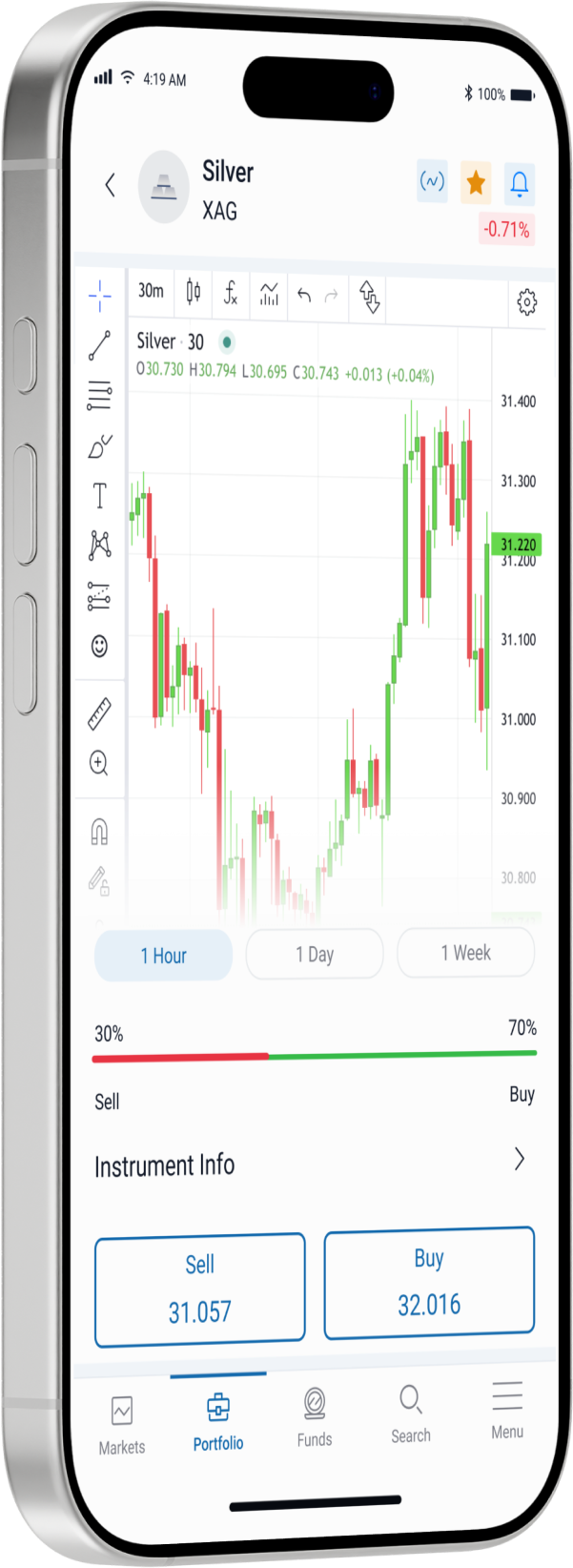
Financial markets operate within global economic systems that do not pause entirely during holiday periods. However, participation patterns change significantly when major financial centers observe public holidays. Institutional desks operate with reduced staffing, trading volumes decline, and liquidity conditions can shift in subtle but meaningful ways. For traders, these seasonal adjustments create an environment that differs from typical market conditions.
Holiday trading periods often include the final weeks of December, early January, and other major global holidays observed across Europe, North America, and Asia. During these times, market behavior can diverge from established patterns. Volatility may contract due to lower participation, or it may increase temporarily if thinner liquidity amplifies price movement. Understanding these structural changes is essential for maintaining discipline and managing exposure responsibly.
This article explores how holiday conditions affect different asset classes, why liquidity dynamics matter, and how traders can remain focused and risk aware during periods when market participation is uneven.
Reduced Liquidity and Its Implications
Liquidity refers to the ability to enter and exit positions efficiently without causing significant price disruption. During standard trading periods, deep liquidity in major markets allows for relatively stable pricing and tighter spreads. When participation declines during holiday sessions, liquidity can decrease.
Reduced liquidity does not automatically mean heightened risk, but it does alter market mechanics. In thinner markets, individual transactions can have a greater impact on price. Order books may be less dense, and price gaps may occur more easily in response to modest order flow.
For forex markets, reduced liquidity can lead to narrower trading ranges punctuated by sudden moves. For equity indices and commodities, lower institutional participation may result in quieter sessions, though isolated volatility can still occur. Understanding that price behavior may be less representative of broader sentiment helps traders interpret movement more cautiously.
Volatility in Holiday Conditions
Holiday periods are often associated with lower overall volatility, particularly in major currency pairs and large indices. However, this is not a universal rule. In some cases, thin liquidity can exaggerate reactions to economic data or geopolitical developments.
A key distinction lies between structured volatility and reactive volatility. Structured volatility reflects sustained shifts in sentiment or macroeconomic reassessment. Reactive volatility may occur when limited liquidity amplifies short term price swings without underlying structural change.
Recognizing this difference helps traders avoid overinterpreting isolated movements during quieter market sessions. It encourages context based observation rather than impulsive reaction.
Year End Positioning and Portfolio Adjustments
The final weeks of the calendar year often involve portfolio rebalancing by institutional investors. Funds may adjust exposure to align with reporting periods, tax considerations, or risk mandates. These adjustments can create temporary flows that influence indices, sectors, or currencies without signaling longer term direction.
Commodity markets may reflect adjustments in hedging positions, while equity indices may experience sector rotation as managers rebalance holdings. Currency markets may respond to capital repatriation flows.
For traders, recognizing that certain movements may reflect accounting or positioning adjustments rather than fresh macro developments supports more measured interpretation.
Psychological Factors During Holiday Trading
Holiday periods also introduce psychological variables. Traders may experience reduced focus due to seasonal commitments or travel. Distraction, fatigue, or emotional shifts associated with year end reflection can influence decision making.
Maintaining discipline during these periods requires acknowledging that mental clarity may not always be at its peak. Some traders choose to reduce activity during holiday sessions, not because markets are untradeable, but because personal focus may be divided.
Risk management during holidays therefore extends beyond market structure. It includes self awareness and realistic assessment of attention and availability.
Adjusting Risk Parameters in Seasonal Conditions
Risk management during holiday periods often involves reviewing position size, exposure concentration, and time horizon. Lower liquidity environments may justify more conservative exposure levels, particularly for short term trading approaches.
Overnight positions held across extended holiday closures require particular attention. When major exchanges close, gaps may occur upon reopening if new information has emerged during the break. Awareness of market calendars and trading hours supports more deliberate exposure management.
This does not require complete disengagement from markets. It requires conscious alignment between market conditions and risk tolerance.
Multi Asset Considerations
Holiday effects do not influence all asset classes equally. Forex markets remain open for most of the week but may experience thinner conditions when major financial centers are closed. Equity markets observe specific exchange holidays, which can affect index liquidity. Commodity markets may be influenced by both exchange closures and seasonal demand shifts.
Digital asset markets, which operate continuously, may experience different liquidity patterns as traditional financial institutions reduce activity. This can alter cross market correlations temporarily.
Viewing these differences through a multi asset lens reinforces the importance of context. Seasonal participation patterns influence markets differently depending on structure and trading hours.
Staying Focused and Structured
Remaining focused during holiday periods involves preparation rather than reaction. Reviewing economic calendars, understanding exchange schedules, and planning exposure in advance helps reduce impulsive decision making.
Structured review of open positions, clear risk parameters, and deliberate pacing contribute to discipline. Some traders use holiday periods as an opportunity to evaluate past performance, refine strategy, or engage with educational material rather than increasing activity.
Focus during holidays is less about intensity and more about clarity. A calm and measured approach often aligns better with seasonal market conditions than aggressive positioning.
Holiday trading periods present a different market environment shaped by reduced participation, shifting liquidity, and year end adjustments. These structural changes do not eliminate opportunity or risk. They alter the conditions under which markets operate.
By recognizing how liquidity, volatility, and psychology interact during seasonal periods, traders can approach the markets with greater awareness. Managing exposure thoughtfully and maintaining focus amid external distractions supports disciplined engagement.
Markets may slow during holidays, but risk awareness and preparation remain constant. In every season, structure and perspective provide the foundation for responsible participation.
Trading CFDs involves significant risk and may not be suitable for all investors.