As online trading has evolved, so too have the instruments that enable individuals to access global markets efficiently. Among the most widely used of these instruments are Contracts for Difference, commonly known as CFDs. For many traders, CFDs form the backbone of their market participation, offering flexibility, accessibility, and exposure to a broad range of asset classes from a single trading environment.
Despite their popularity, CFDs are often misunderstood. Some traders encounter them early in their trading journey without fully appreciating how they work, what they represent, or why they behave differently from traditional asset ownership. This lack of clarity can lead to unrealistic expectations or misinterpretation of risk, particularly in volatile market conditions.
This article provides a comprehensive explanation of CFDs, focusing on their structure, purpose, and role in modern trading. Rather than promoting outcomes or strategies, it aims to clarify how CFDs function, why they allow access to multiple markets, and what traders should understand before engaging with them. A clear conceptual foundation is essential for anyone seeking to use CFDs responsibly and effectively.
What a Contract for Difference Represents
A Contract for Difference is a financial agreement between a trader and a broker that reflects the price movement of an underlying asset. The contract is settled based on the difference between the price at which the position is opened and the price at which it is closed. The trader does not take ownership of the underlying asset; instead, they gain exposure to its price fluctuations.
This distinction is fundamental. When trading CFDs, there is no transfer of ownership, no physical delivery, and no shareholder rights in the case of equities. The value of the position is derived entirely from market price movement. If the price moves in the direction anticipated by the trader, the difference results in a gain; if it moves in the opposite direction, the difference results in a loss.
This structure allows CFDs to mirror the behavior of the underlying market closely, while remaining purely contractual in nature. Understanding this separation between price exposure and ownership is key to understanding both the advantages and responsibilities associated with CFD trading.
Why CFDs Play a Central Role in Online Trading
CFDs have become a cornerstone of online trading largely because of their versatility. Through a single account, traders can access a wide array of global markets that would otherwise require multiple platforms, exchanges, or custodians.
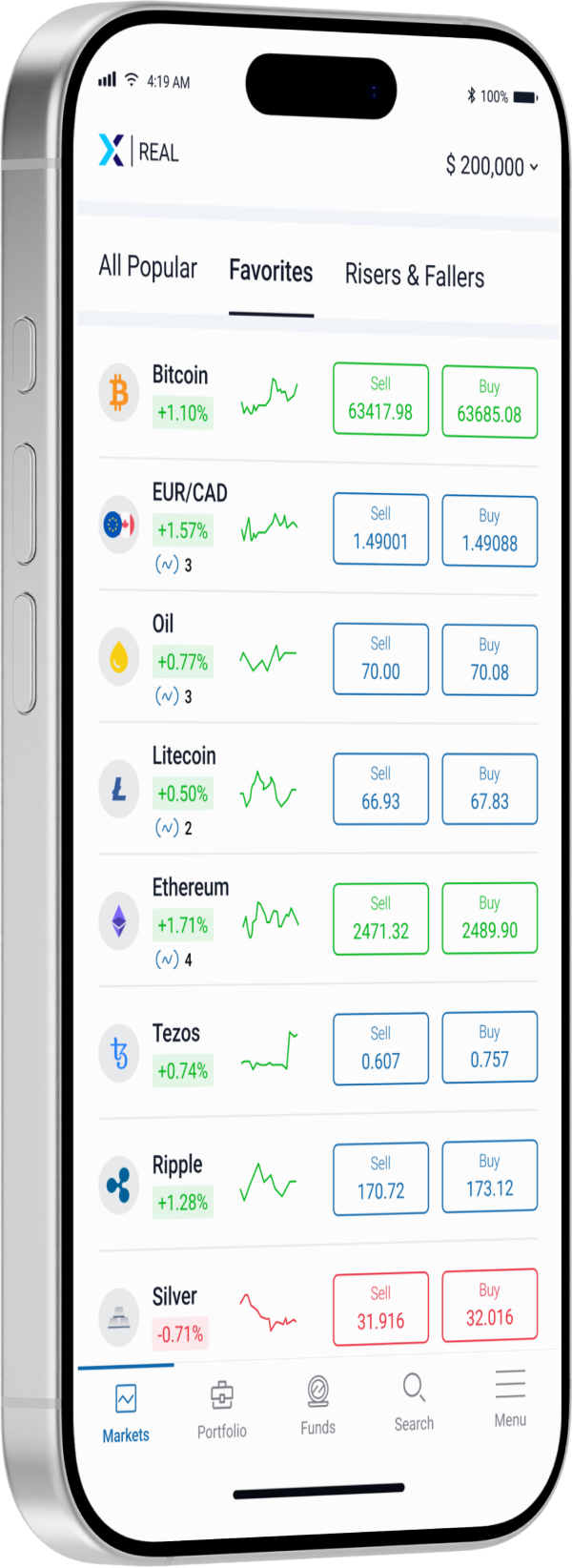
CFDs allow exposure to foreign exchange markets, global equities, major stock indices, commodities such as gold and oil, cryptocurrencies, and exchange-traded funds. This breadth enables traders to observe and participate in different market environments without the operational complexity of managing multiple instruments in different formats.
Another defining feature of CFDs is the ability to trade both rising and falling markets. Traders can open positions that reflect expectations of price increases or price declines, allowing participation regardless of broader market direction. This flexibility is particularly relevant in periods of heightened volatility or economic uncertainty, when markets may not move uniformly upward or downward.
Accessing Multiple Asset Classes Through CFDs
One of the most significant advantages of CFD trading is the ability to diversify exposure across asset classes within a unified trading environment. Each asset class responds to different economic forces, and understanding these dynamics helps traders interpret price behavior more effectively.
Currency markets, for example, are heavily influenced by interest rates, inflation expectations, and monetary policy decisions. Equity markets respond to corporate earnings, innovation, and economic growth. Commodities are shaped by supply and demand imbalances, geopolitical developments, and environmental factors. Cryptocurrencies often reflect technological adoption, regulatory sentiment, and broader risk appetite.
By trading CFDs, individuals can move between these markets without altering the fundamental mechanics of how trades are placed or managed. This consistency simplifies execution while still requiring traders to adapt their analysis to the specific characteristics of each market.
Long and Short Positions: Directional Flexibility
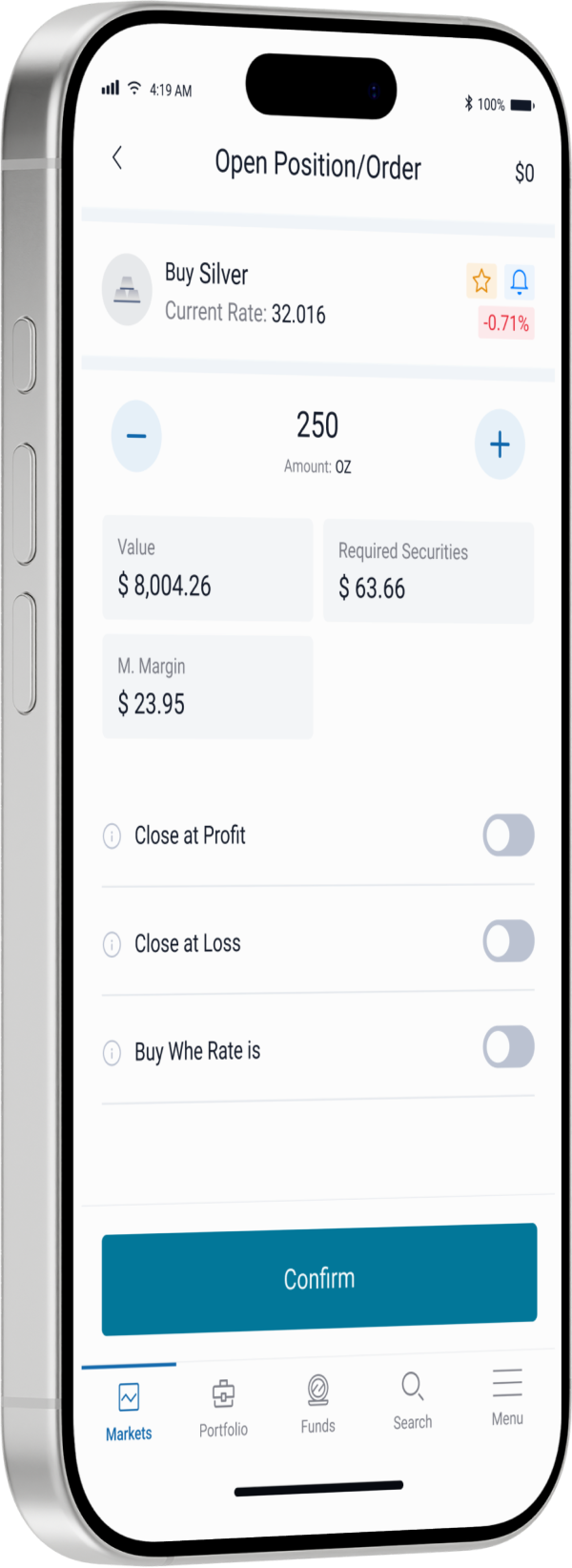
CFDs are inherently directional instruments, meaning traders can express both positive and negative market views. Opening a “buy” position reflects an expectation that prices may rise, while opening a “sell” position reflects an expectation that prices may fall.
This directional flexibility does not imply predictability or reduced risk. Rather, it provides structural neutrality. Traders are not constrained by market direction; instead, they must assess conditions and determine whether price movements align with their analysis.
In practice, this flexibility encourages a more analytical approach to market participation. Traders must consider not only whether a market is strong or weak, but why it is behaving that way and how broader forces may influence future movement.
Understanding Costs in CFD Trading
Like all financial instruments, CFDs involve costs that should be understood clearly before trading. These costs are embedded in the trading process and vary depending on the market and instrument.
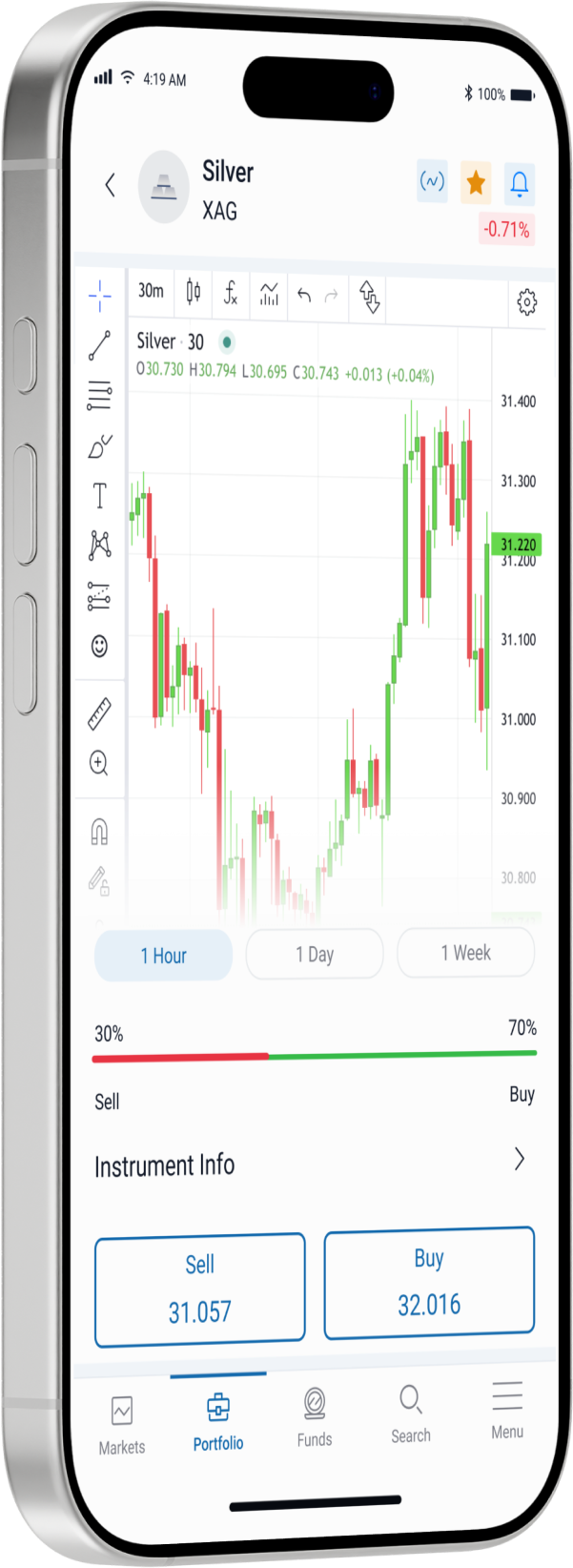
The most common cost is the spread, which represents the difference between the buy and sell price. This reflects market liquidity and execution conditions. Some instruments may also involve commissions, depending on their structure and pricing model.
For positions held overnight, financing charges, often referred to as swaps, may apply. These reflect the cost of maintaining leveraged exposure over time and are influenced by prevailing interest rates. While these costs are typically transparent within the trading platform, understanding how they accumulate over time is essential, particularly for longer-term positions.
Clear awareness of trading costs contributes to more informed decision-making and realistic expectations.
Leverage and Its Relationship to CFDs
CFDs are often traded using leverage, which allows traders to control larger positions with a smaller initial outlay. While leverage can increase market exposure, it also magnifies both gains and losses. This dual effect makes leverage one of the most important concepts for CFD traders to understand.
Leverage does not change the underlying behavior of the market. It changes the scale of exposure relative to available capital. As a result, small price movements can have a proportionally larger impact on account equity. This characteristic underscores the importance of position sizing, margin awareness, and risk controls.
Used thoughtfully, leverage can support efficient capital allocation. Used without sufficient understanding, it can increase vulnerability to rapid market movements.
Risk Management as a Core Principle
Because CFDs respond directly to market price movements, risk management is not optional; it is central to responsible trading. Every position carries the potential for loss, and markets can move quickly in response to unexpected events.
Risk management practices include defining exposure limits, using protective orders to manage downside risk, and maintaining sufficient margin to absorb normal price fluctuations. Equally important is psychological discipline — the ability to adhere to predefined rules rather than reacting emotionally to short-term market movements.
Experienced traders often view risk management not as a defensive measure, but as an enabling framework that allows them to participate consistently over time.
The Importance of Education and Context
CFDs are neither inherently simple nor inherently complex. Their effectiveness depends on the trader’s understanding of how they function and how they fit within a broader market context. Education plays a critical role in bridging this gap.
Learning how different asset classes behave, how economic data influences prices, and how volatility affects exposure allows traders to interpret CFD price movements more accurately. Over time, this contextual understanding supports more structured and deliberate engagement with the markets.
Rather than focusing on isolated trades, knowledgeable traders develop a broader perspective that connects individual positions to overall market conditions.
A Broader Perspective on CFD Trading
Contracts for Difference have become integral to modern online trading because they align with how markets are accessed today: digitally, globally, and dynamically. They provide a framework through which traders can engage with multiple asset classes, adapt to changing market conditions, and express a wide range of market views.
At the same time, CFDs demand a clear understanding of structure, cost, leverage, and risk. They reward preparation and discipline, and they highlight the importance of continuous learning. As with all market participation, success is less about the instrument itself and more about how it is used.
Approached with education, realistic expectations, and respect for risk, CFDs offer a flexible way to engage with the global markets while maintaining a structured and informed perspective.
Trading CFDs involves significant risk and may not be suitable for all investors.